Situation
Photograph makes one actor visible
A fixed image or story makes one person or moment visible while obscuring the surrounding action, constraints, and many causes that made the moment possible.
Recognition signals
- one face carries the whole explanation
- a cropped image is treated as the complete scene
- surrounding labor and constraints disappear from the public story
Questions to ask
- What did the frame leave outside the view?
- Who becomes invisible when one actor is made visible?
Counterbalances
- widen the frame before assigning sole cause
- treat visibility as selection, not completeness
Active patterns2 patterns
Pattern
Blame Compresses Complexity
Blame can clarify responsibility and acknowledge harm when systems have produced injury someone must answer for. Villain narratives simplify systems into individuals; structural incentives and shared participation disappear. - Emotional resolution arrives faster than understanding - Learning narrows once a face is assigned - Complexity is traded for moral closure - Scale is experienced as someone else's failure Blame offers relief faster than contact with how the field actually produced the outcome. After a failure, the organization fires one manager while the incentives that shaped everyone's choices stay unnamed.
View Pattern →
Pattern
Attention Finds a Focus
The group faces unclear next steps. It needs direction. People need to work together. No clear process has named who will lead. - People want a steer when things are unclear - Silence pushes someone to act - Early signals weigh extra - Leadership can show up without anyone planning it Attention settles on one person. Others start lining up their behavior with that person's actions, tone, or timing. When nobody knows the next move, attention finds a focus fast—then direction follows whether anyone planned it or not.
View Pattern →
Related books2 books
Book
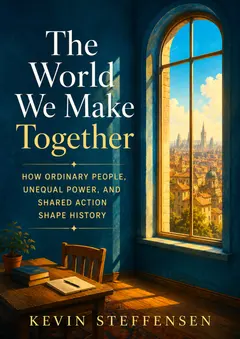
The World We Make Together
How Ordinary People, Unequal Power, and Shared Action Shape History
History is collective, but responsibility remains uneven. The World We Make Together follows ordinary objects—a switch, a ballot, a fence, a bowl, a scale—into the institutions and relationships through which people shape public life without becoming either solitary heroes or passive products of structure.
View book
Book
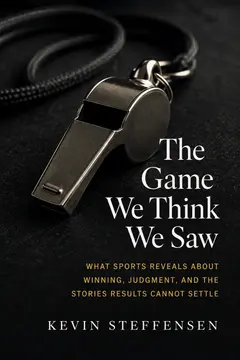
The Game We Think We Saw
What Sports Reveals About Winning, Judgment, and the Stories Results Cannot Settle
Sports gives us some of the clearest outcomes in public life. A score becomes final, a ruling takes effect, and one side advances. But the result cannot fully explain what produced it, why it should count, what it is allowed to justify, who carried its cost, or what the event will eventually mean. The Game We Think We Saw follows those unsettled questions from the scoreboard into the systems, bodies, judgments, and stories surrounding the game.
View book