Concept
Inheritance
Inheritance names what travels forward when the original scene is gone—archives, canon, titles, feast days, bureaucratic certainty. It becomes important when systems still coordinate long after their makers' conditions have shifted.
Inheritance names what travels forward when the original scene is gone—archives, canon, titles, feast days, bureaucratic certainty. It becomes important when systems still coordinate long after their makers' conditions have shifted. It helps preserve continuity across generations, but can fail when inherited tools resist revision while fit quietly thins. It differs from adaptation because inheritance carries forward what stabilized; adaptation names the original responsive work. It differs from drift because inheritance emphasizes persistence of form; drift emphasizes gradual decoupling from conditions.
Recognition signals
- archives still stand while roads between them do not
- tools continue with inherited authority after conditions shift
- practices feel permanent that began as adaptation
- the week continues inside structures taken for granted
Questions to ask
- What conditions first made this inheritance necessary?
- Where is inheritance doing work nothing else yet does?
- When did stabilization begin to outlive its reasons?
Counterbalances
- recognize function before calling inheritance error
- separate persistence from proof
- notice inertia without demanding rupture
Trajectory
Early signals
- stabilizing practices begin to travel across generations
- writing preserves norms when authors are absent
Intensification
- what held becomes moral truth rather than contingent response
- institutional certainty replaces temple walls with files and bells
Failure modes
- inherited tools resist revision while conditions change
- systems outlive themselves without admitting strain
Restoration paths
- name what was inherited and what pressure shaped it
- stop at recognition before prescribing replacement
Manifestations
politics
- Roman milestones rot while local walls matter more
- sacred order fixed in stone outlasts priests who explain it
organizations
- canon and bureaucracy carry certainty beyond its makers
family
- feast days and titles mark boundaries people still recognize
Appears in chapters
- Introduction — The Moment Before Things Feel Obvious
- Chapter 3 — From Power to Moral Legitimacy
- Part II — Compression Under Scale
- Part III — Inherited Certainty
- Chapter 7 — Medieval Re-Adaptation
- Chapter 8 — Renaissance, Exploration, and Fracture
- Chapter 10 — The Moment Before Failure
- Conclusion — Recognition Without Instruction
And 28 more chapters with this association.
Related books3 books
Book
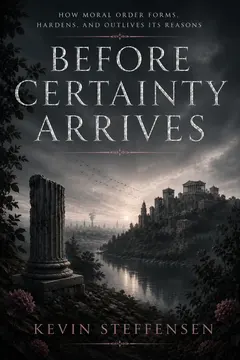
Before Certainty Arrives
How Moral Order Forms, Hardens, and Outlives Its Reasons
How moral order forms, hardens, and outlives its reasons—before certainty feels like the only available posture.
View book
Book
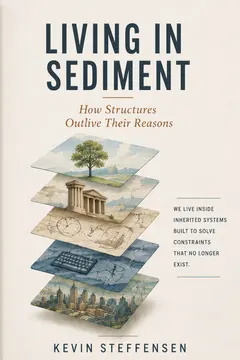
Living in Sediment
How Structures Outlive Their Reasons
We live inside inherited systems built for constraints that no longer exist. When structures survive after their reasons disappear, meaning drifts—and the danger is forgetting the sediment is sediment.
View book
Book
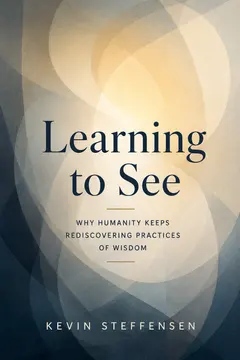
Learning to See
Why Humanity Keeps Rediscovering Practices of Wisdom
A comparative inquiry into how scientific, philosophical, psychological, and spiritual traditions develop practices that help people notice more honestly and live with uncertainty—without claiming those traditions are secretly the same.
View book
Outgoing dynamics2 relationships
contrasts
Inheritance carries forward what stabilized; adaptation names the original responsive work.
contrasts
Inheritance emphasizes persistence of form; drift emphasizes loss of fit.
Incoming dynamics2 relationships
contrasts
Adaptation names responsive change; inheritance names what gets carried forward after conditions shift.
contrasts
Drift emphasizes loss of fit over time; inheritance emphasizes what persists.